

Discover
Chiang Mai:
Community, Conservation & Culture
Following the success of our inaugural HKU in Thailand programme in June 2026,
we’re looking forward to welcoming the next group to Chiang Mai.
2027 programme details coming Fall 2026.
Chiang Mai, Thailand
(14 Days / 13 Nights)
Live with rescued elephants. Support a community school. Experience Chiang Mai from the inside.
An immersive service-learning experience in Chiang Mai, combining community education, ethical conservation, and cultural immersion. Live and learn alongside local partners, gain real-world perspective, and return with experiences that go far beyond travel.
Students live on-site at two meaningful placements: Elephant Nature Park, working alongside one of the world’s most respected ethical elephant sanctuaries, and School for Life, supporting a community school serving children from Myanmar and ethnic minority backgrounds.
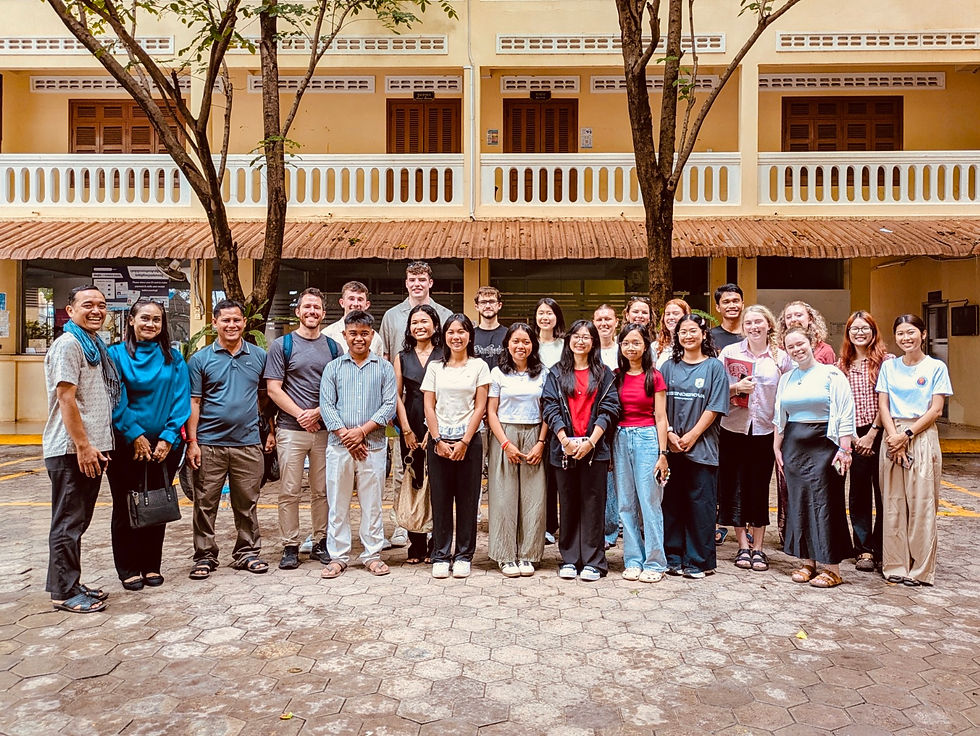
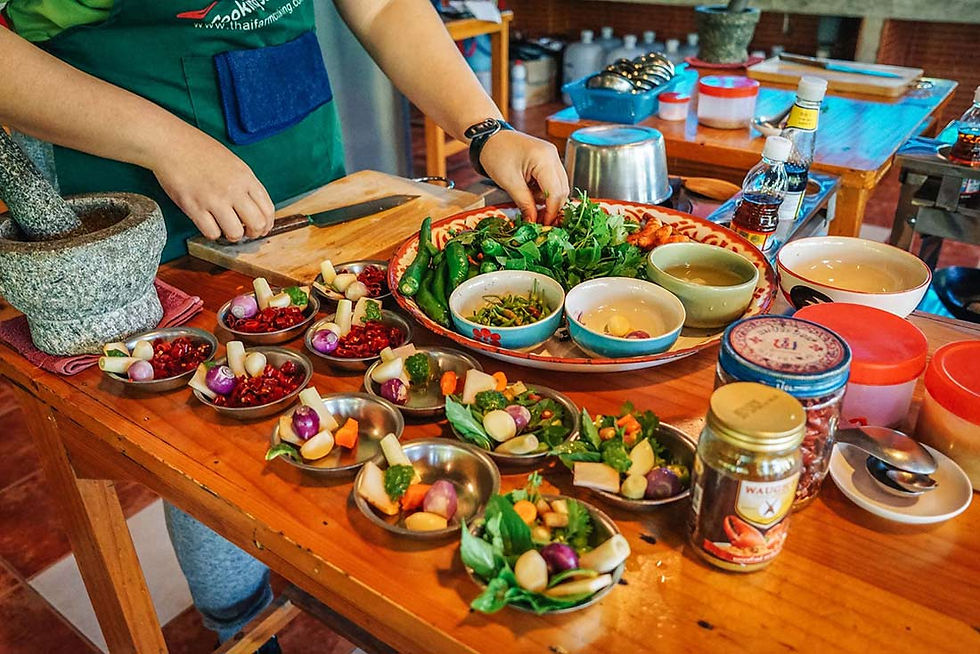
Beyond the placements, students experience Chiang Mai through a Thai cooking class, evening trips to the night markets, a cultural exchange day with Chiang Mai University students, and a cultural bridge day visiting mountain temples and a Hmong hill-tribe village.
This programme is supported by The University of Hong Kong (HKU) and offered at a subsidised rate for full-time HKU undergraduates.
Applications close on 28 February. Places are limited to 15 and may be filled before this date. Early application is advised.
What's Included:
-
Return flights (Hong Kong ↔ Chiang Mai)
-
All accommodation (13 nights)
-
All Meals
-
All Local transport
-
Elephant Nature Park placement fee
-
School for Life placement fee
-
Thai cooking class and market visit
-
Guided city walking tour
-
Chiang Mai University cultural exchange
-
Hill tribe Hike
-
All cultural activities
-
Pre-departure preparation and reflection
-
24/7 support in Chiang Mai


Trip Highlights



SCHOOL FOR LIFE
School for Life is an internationally supported education project in Northern Thailand that provides schooling and care for children from vulnerable backgrounds, including children from Myanmar and ethnic minority communities.
Volunteers stay in guest rooms on-site and support the school through partner-led activities guided by local staff.
The school focuses on holistic development, combining education, wellbeing, and community engagement. Teachers play a central role in supporting students academically while helping to create a stable and nurturing environment.
All engagement is designed and guided by the school’s staff to ensure activities are responsible, respectful, and aligned with the school’s priorities.
Volunteer activities: Classroom assistance and learning support - Workshops, games, and group activities - Hygiene education activities led by HKU students - Light renovation or improvement tasks (as needed)


ELEPHANT NATURE PARK
Elephant Nature Park is internationally recognised as a leading ethical elephant sanctuary and a benchmark for welfare-first elephant care.
Volunteers live on-site and support daily sanctuary
operations through welfare-focused tasks and guided learning.
Founded by Saengduean “Lek” Chailert, an internationally respected conservationist, Elephant Nature Park has helped reshape global attitudes towards ethical elephant tourism. Its work has been featured by international media, including National Geographic.
Click here to see Lek's work & life at the Park
The park rescues elephants from tourism exploitation, street begging, and the logging industry, providing a protected natural environment focused on long-term welfare, rehabilitation, and conservation.
Volunteer activities: Preparing and distributing food for elephants - Supporting daily care routines - Habitat and environmental maintenance - Observing elephant behaviour - Learning sessions on ethical tourism and conservation

ITINERARY
June 15 - 28, 2026
Days 1–2 | Arrival & Getting to Know Chiang Mai
Arrive in Chiang Mai and settle into the guesthouse before coming together for a welcome briefing and group dinner. The first two days are about getting oriented and comfortable — meeting local university students through a Chiang Mai University exchange, exploring the Old City on foot, and beginning to understand life, culture, and everyday rhythms in Northern Thailand.
Days 3–6 | School for Life – Community Education Placement
Travel to School for Life for a hands-on community education placement. Participants support classroom activities, workshops, games, and school-based projects alongside local teachers and staff. Living on site allows students to experience daily life at the school and build meaningful connections with the community.
On Day 6, the group returns to Chiang Mai with lunch along the way, followed by time to relax and an evening visit to the Night Bazaar.
Day 7 | Reflection, Local Market & Thai Cooking
A slower-paced day in Chiang Mai focused on reflection and connection. The morning is set aside for relaxed, guided reflection, followed by a visit to a local market and nearby farm to learn about ingredients and food traditions. In the afternoon, students take part in a Thai cooking class, preparing and sharing dishes together.
Days 8–12 | Elephant Nature Park – Ethical Conservation Placement
Spend five days at Elephant Nature Park, one of the world’s most respected ethical elephant sanctuaries. Participants stay on site and support daily sanctuary work through food preparation, habitat care, and observation-based learning. The focus is on understanding ethical conservation and welfare-first approaches, rather than direct interaction.
The group returns to Chiang Mai on the afternoon of Day 12.
Day 13 | Reflection & Farewell
A final day in Chiang Mai designed to bring the experience together. Students take part in a guided reflection session, enjoy free time for cafés or souvenir shopping, and come together in the evening for a farewell dinner celebrating everything they’ve shared over the two weeks.
Day 14 | Departure
Transfer to the airport and departure from Chiang Mai.
Accommodation Overview
-
Chiang Mai guesthouse: 6 nights (Days 1, 2, 6, 7, 12, 13)
-
School for Life (on-site): 3 nights (Days 3–5)
-
Elephant Nature Park (on-site): 4 nights (Days 8–11)
Applications close on 28 February. Places are limited to 15 and may be filled before this date. Early application is advised.
Pre-Departure Academic Preparation
Before travelling, participants develop a clearer understanding of the context and themes they will encounter during the programme.
Preparation focuses on:
-
Responsible volunteering and ethical engagement
-
Social and cultural context of Northern Thailand and Chiang Mai
-
Community education, child wellbeing & ethnic minority contexts
-
Reflective learning and intercultural awareness
This preparation helps students engage more thoughtfully during the placements and connect their on-the-ground experience to wider academic and global themes.
Learning Outcomes
Participants develop practical understanding of ethical service, community education, conservation, and intercultural engagement through structured placements and guided reflection.
1. Apply principles of responsible service-learning
-
Demonstrate an understanding of ethical engagement, appropriate volunteer roles, and the importance of community-led initiatives.
-
Reflect on the boundaries between learning, service, and local ownership.
2. Understand community education and child wellbeing in context
-
Gain insight into how community-based education projects support children from migrant and ethnic minority backgrounds.
-
Recognise the social, cultural, and structural factors affecting access to education in Northern Thailand.
3. Analyse ethical conservation and tourism practices
-
Critically examine animal welfare standards and ethical conservation models through direct experience at Elephant Nature Park.
-
Evaluate how tourism choices impact wildlife, communities, and long-term sustainability.
4. Develop intercultural awareness and communication skills
-
Engage respectfully with local staff, community members, and peers from different cultural backgrounds.
-
Build confidence in cross-cultural interaction and adaptability in unfamiliar settings.
5. Strengthen teamwork, initiative, and personal responsibility
-
Work collaboratively in group settings across varied environments.
-
Take responsibility for participation, reflection, and contribution to shared goals.
6. Reflect on personal values, leadership, and global citizenship
-
Use guided reflection and journaling to assess personal learning, assumptions, and growth.
-
Connect on-the-ground experiences to broader themes of global citizenship, social responsibility, and ethical decision-making.
Participants receive a certificate of participation recognising their engagement in structured experiential learning.
This trip is brought to you by
 |  |  |
|---|---|---|
 |  |
